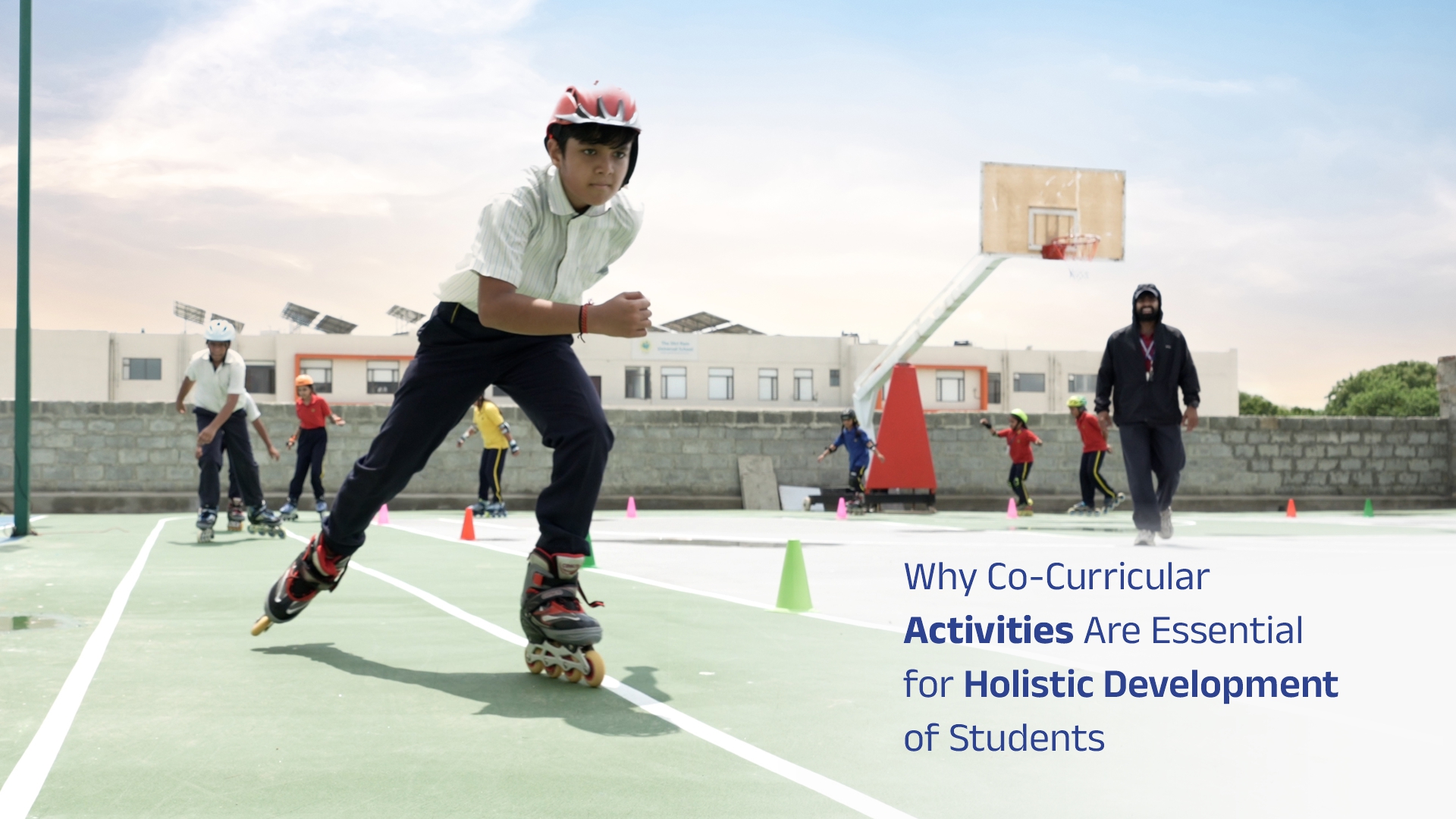
When most people talk about education, they emphasise its academic part. But that is just one of its two crucial pillars. The other is co-curricular activities. It is the combination of these two elements that sets the foundation for the holistic development of students.
Extracurricular activities in schools take place alongside classroom learning, improving students’ physical, emotional, creative, social, and academic growth. These activities include sports, music, dance, debates and public speaking, art and craft, and drama and theatre, to name a few.
Read on to learn about the importance of co-curricular activities.
Build Confidence
One of the most fundamental benefits of co-curricular activities is that they improve students’ confidence. Generally, most students get shy and nervous when it comes to talking to teachers and other students, or during performing something in class. Co-curricular activities build their confidence, helping them overcome nervousness and anxiety.
This happens through small achievements, such as playing a small part in a play, giving a presentation, or joining a debate. These achievements work like a charm for students when it comes to enhancing their self-belief. They eliminate students’ fear of trying something new.
Enhance Communication Skills
Good communication is a life skill that not many people are good at. The ability to patiently listen to others, understand their perspective, and express your thoughts and feelings is nothing short of a boon in life.
Co-curricular activities help enhance the communication skills of students. When students participate in public speaking, plays, sports, and debates, they learn how to speak their heart out using appropriate words. Regular participation in extracurricular activities in schools helps students understand the importance of listening to others and communicating effectively.
Boost Collaborative Skills
Co-curricular activities are incredible sources of boosting the collaborative skills of students. These skills are extremely important in life because they can help students handle disagreements and find common ground.
Since most co-curricular activities, such as sports, school clubs, group projects and performances include working with others, they teach students the importance of sharing responsibilities. By participating in these activities, students can prepare themselves for situations that they may face later in college and work.
Develop Leadership Skills
Co-curricular activities work wonders in developing and polishing the leadership skills of students. These activities enhance students’ confidence, encouraging them to lead teams in group projects or the school club.
When students learn how to make decisions and manage responsibilities through co-curricular activities, they become confident enough to volunteer themselves for organising school events and competitions.
Discover Interests
There are various different types of co-curricular activities, from sports and athletics to community service and science and technology activities. When students participate in such activities, they discover their hidden talent and interest. Every student has different interests.
Some may like playing football or performing in a theatre, while others may enjoy technology or art. Co-curricular activities enable students to try different things and follow the ones they like the most. This helps students understand what they enjoy and in which areas they need to improve themselves.
Improve Time Management
Anyone who knows how to effectively manage their time is much ahead of others in life. That’s because we all have 24 hours, but it’s their efficient management that makes a difference. Co-curricular activities help students understand the importance of time, be it in sports, a team project, or life.
They learn how to plan their day, set priorities, and complete tasks on time. This can be an extremely beneficial habit throughout life. In school life, it helps students balance studies with activities.
Foster Physical & Emotional Growth
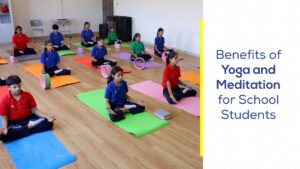
There should be no compromise on staying fit, no matter the age. Sports, athletics, and yoga are some co-curricular activities that improve strength, fitness, and balance, enhancing the physical fitness of students. In addition, these activities help students manage different types of emotions, such as excitement, nervousness, anxiety, pride, and disappointment.
Conclusion
Participating in co-curricular activities is a must for all students because of their numerous benefits. From building confidence to fostering physical and emotional growth, extracurricular activities in schools do it all.
When students strike the perfect balance between academics and co-curricular activities, that’s when you know they’re heading in the right direction. This should be one of the core responsibilities of both teachers and parents.
FAQ
- What’s the significance of co-curricular activities?
Co-curricular activities hold great significance for students because they strengthen their physical and emotional growth while boosting their confidence and helping them discover their interests.
- Do co-curricular activities foster holistic development of students?
Yes, these activities play a crucial role in fostering students’ holistic development by helping them develop academically, physically, emotionally, and creatively.
- Why are co-curricular activities important for students who are shy?
Co-curricular activities are important for shy students because they improve their confidence help them become more confident around others.
- Which life skills do co-curricular activities polish?
Co-curricular activities develop and polish various life skills in students, such as decision-making, teamwork, communication, and effective time management.
- When should children participate in co-curricular activities?
Students should participate in co-curricular activities right from an early age to improve their confidence and communication skills.