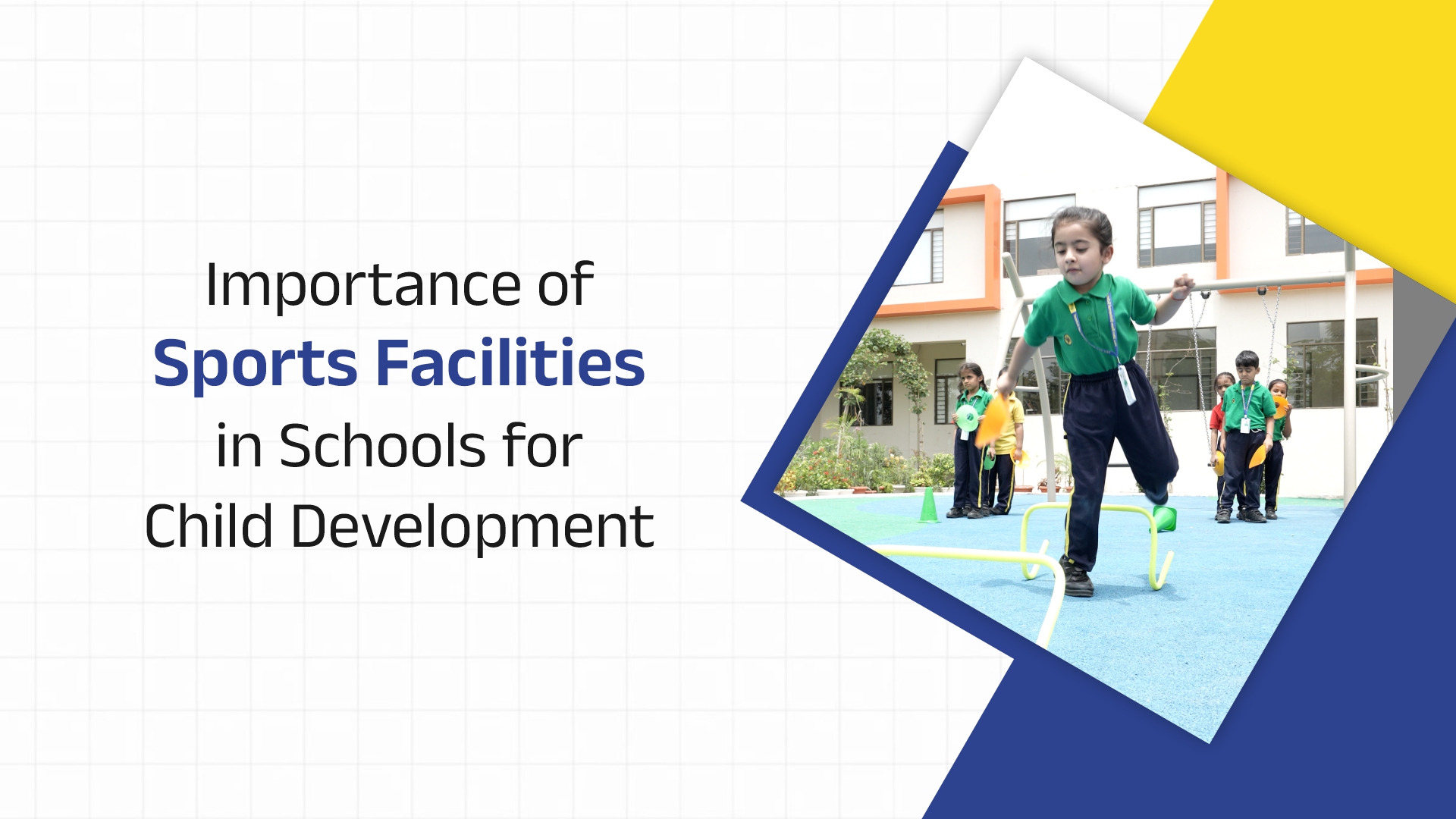
Sports facilities in schools play a crucial role in promoting the overall development of a child. They are just as important in a child’s life as academics. While academics build knowledge of children, sports give them opportunities to stay active and lead a healthy life.
A well-equipped sports environment complements classroom learning by boosting a student’s physical, mental, social, and emotional growth. On that note, let’s throw some light on the importance of school sports programs.
What are Sports Facilities in Schools?
Sports facilities are resources and spaces that enable students to participate in sports activities. The type of facilities available in schools may differ, but what remains the same is their purpose: to provide students with a safe environment where they can develop their physical abilities and pursue their extracurricular interests.
Benefits of Sports in Schools
Children spend a substantial amount of their time in schools. Therefore, teaching institutions should contribute significantly to both the academic and physical development of children.
In that sense, sports facilities in schools shouldn’t be limited to occasional games or annual events. Instead, physical activities such as sports should be integrated into children’s daily lives as a regular part of their education.
Physical Development
When students engage in sports every day, they build important physical skills. From improving strength, flexibility, and stamina to developing balance and coordination, sports do it all.
Sports activities such as swimming, running, and jumping allow children to develop a range of physical abilities. For instance, playing basketball can help improve movement, coordination, and quick decision-making abilities of students.
Similarly, running can improve a student’s endurance. There’s no denying that sports facilities in schools are extremely crucial for children’s fitness and well-being.
Healthy Habits
Childhood is the perfect stage to start building healthy habits that can continue into adulthood. When children regularly participate in sports at school, they develop an active lifestyle, which is the cornerstone of good health.
School sports programs can encourage children to go out and play rather than sitting at home and playing video games. By making physical activities enjoyable, sports can infuse a sense of enjoyment into exercise, encouraging children to stay active as they grow older.
Mental Well-being
Sports facilities in schools are a boon for children because they provide them with a much needed healthy break from their tough academic routines. Amidst classes, homework, tests, and projects, participating in their favourite sports can enhance the mental well-being of students.
When children play their favourite games, they can relieve stress and feel more relaxed. In addition, participating in sports activities can also make them feel more confident in their abilities.
Teamwork
Sports facilities in schools work like magic when it comes to building teamwork skills in children. Sports teach students to team up with their peers and friends towards a common goal.
During playing outdoor games such as volleyball, football, or cricket, children understand that every team member has a role to play. In addition, they understand the importance of sharing responsibilities, listening to others, and respecting each other’s strengths and abilities.
Strong teamwork skills can work wonders for students in projects. Students can apply their teamwork and problem-solving skills in group projects and other school activities beyond academics.
Success & Failure
Success and failure are equally important in life. One can never truly understand the joy of winning without experiencing the disappointment of losing. And both outcomes should be embraced and learned from. Neither winning nor losing should affect your life in any way other than inspiring you to do better.
All we can do is give our 100%, and this is what sports teach children. Sports facilities in schools teach children how to deal with disappointment when they lose and how to remain humble after winning.
Final Words
The benefits of sports facilities in schools demonstrate that child development through sports is not just a concept, but a reality. Well-planned sports facilities can give children the opportunity to stay active and develop essential life skills.
By providing students with safe, accessible and varied sports facilities, TSUS strengthens the physical, emotional, and social development of children. Ultimately, investing in quality sports facilities is an investment in healthier, more confident, and well-rounded children prepared for a brighter future.
FAQs
- Should parents encourage students to participate in sports?
Yes, in fact, it is a collective duty of both parents and teachers to encourage students to take part in extracurricular activities such as sports, arts, and environment initiatives.
- Which sports facilities in schools are a must?
The exact facilities may vary for every school depending on its space, resources, and student needs. However, every school should have safe, well-maintained spaces for physical activity.
- Does sports improve the teamwork skills of students?
Yes, sports enhance students’ teamwork skills by encouraging them to communicate, share responsibilities, and work toward the same goal.
- Can sports promote discipline in students?
Since sports require regular practice and commitment, they teach students the value of arriving on time, caring for their sports equipment, and practising consistently. This encourages discipline in students.
- How do sports help children learn to accept failure?
Sports facilities in schools give students the opportunity to experience both winning and losing. Losing teaches students to keep trying and working hard. In that sense, sports help children learn to accept setbacks.