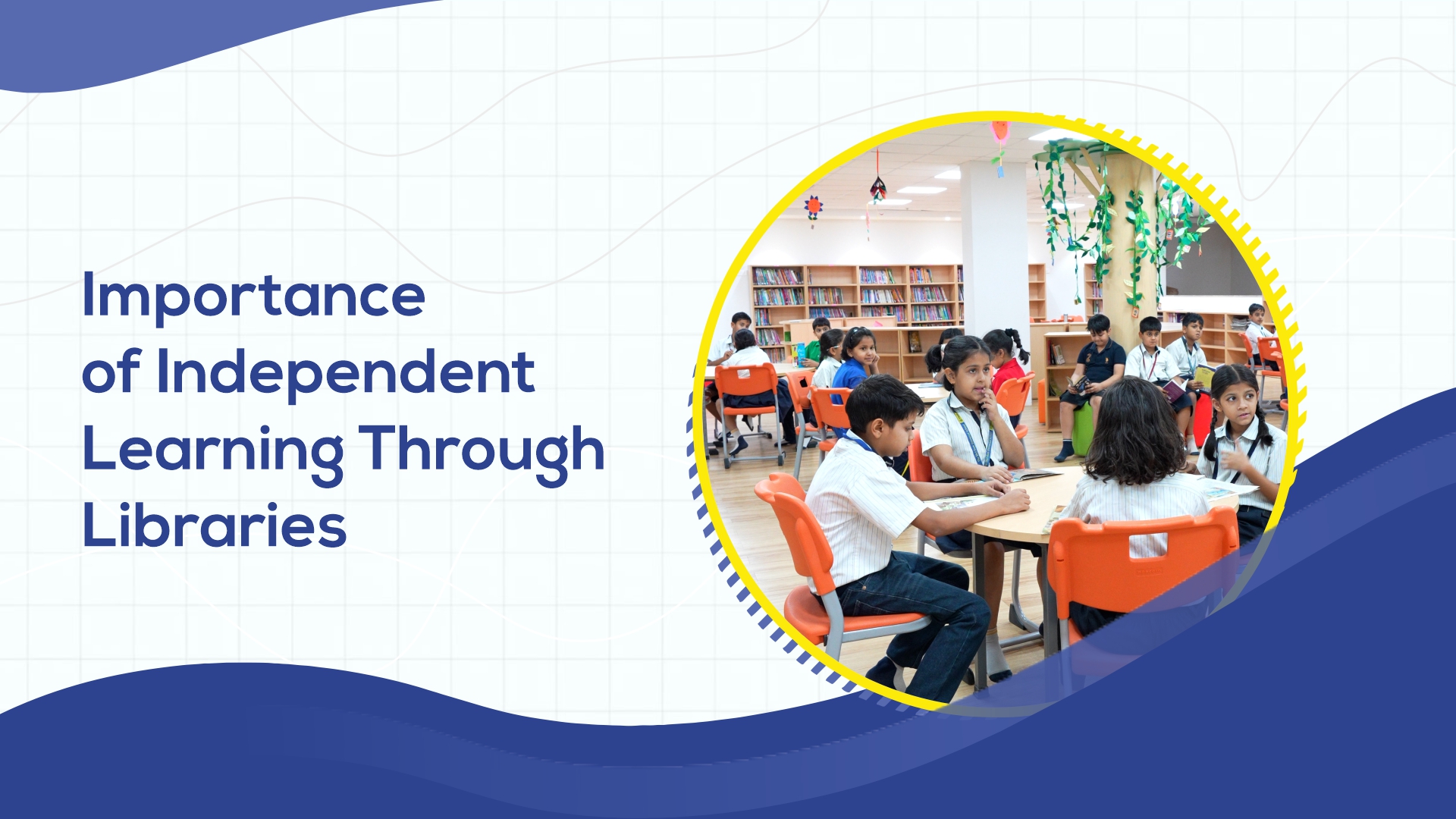
A library is just another classroom that encourages independent learning for students. Although it has no teacher to guide you, it offers a world of knowledge and resources at your fingertips.
More than a room loaded with books, a library is a place where students can explore topics, research, find answers to questions, and develop independent learning. All students need to do is find out how to choose meaningful resources and understand them to make the most of the information.
On that note, let’s throw some light on independent learning with respect to the importance of school libraries.
What is Independent Learning?
Independent learning for students is an essential skill and a responsibility. It’s more like a mindset for self-improvement that influences you to keep on learning something by yourself.
It does not mean that the students need to learn something without anyone’s help. Instead, independent learning means researching and understanding a topic beyond the classroom. It means giving wings to your curiosity and expanding your learning about something by using resources available in the library or the internet, for that matter.
At the essence, independent learning is all about taking initiatives for your own good. And that’s where library learning for students comes in because that can help them explore their interests at a comfortable pace.
Let’s learn the benefits of school libraries.
Foster a Love for Reading
One of the biggest benefits of a library is that it inspires a passion for reading, which works wonders for independent learning for students. When students go to a library, they find books related to their interests. This encourages them to read and learn about their favourite topics.
What makes reading enjoyable and helps in developing the habit is the freedom to read just about anything that a student wants. From science fiction and autobiographies to history books and travel stories, a well-stocked school library is nothing short of a boon for students.
Improve General Knowledge
A library nurtures a love for books, which promotes independent learning for students. This can prove to be beneficial for students in many ways. For instance, independent learning in libraries can improve the general knowledge of students.
Since a library provides access to books on diverse subjects, it can enhance the core understanding of students about history, geography, science, etc. Moreover, reading magazines, journals, and reference materials in a library can keep students informed about current affairs.
Learn Beyond Textbooks
While textbooks offer significant learning, they can’t cover everything. That’s where libraries come into play. Libraries support independent learning for students by opening the door to a wide range of books.
For instance, a textbook can only provide a brief account of an important historical event. However, if students want to delve deeper and learn about its different aspects, they can visit the library and read books related to that period or event.
This additional reading and collecting information from diverse sources can boost the knowledge of students with different viewpoints. Also, it encourages curiosity, which plays a crucial role in driving lifelong learning.
Building Research Skills
Having strong research skills is an advantage that can benefit you in your future career. And libraries provide a great opportunity for students to polish their research skills in a structured environment.
Students learn everything from how to find the right book to using reference materials and comparing information from different sources. Independent learning for students is extremely important, especially in libraries because there, they get to know that the first piece of information they find may not always be enough.
Perfect for Diverse Learners
Every student learns and understands things in different ways. Some understand a concept or theory after reading detailed explanations, while others grasp it through diagrams or pictures.
Since libraries offer different kinds of books, magazines, reference materials, and educational videos, they support different learning styles. This variety promotes independent learning for students by providing them with resources that match their learning needs.
Conclusion
One can’t overstate the importance of school libraries for students. Libraries are flexible learning spaces designed to foster a love for reading in everyone. They improve your general knowledge through a wide variety of books. That’s why they’re extremely crucial to nurture independent learning for students.
FAQs
- How do libraries support independent learning for students?
Libraries encourage independent learning in students by providing them with an extensive collection of books on diverse topics. They allow students to explore subjects based on their interests, at their own pace.
- Does a library improve students’ research skills?
Yes! Libraries improve students’ research skills by allowing them to find relevant books and resources and compare information from different sources.
- What’s the importance of independent learning for students?
Independent learning enhances student’s knowledge and satisfies their curiosity. It encourages them to learn beyond textbooks, manage their time and develop critical thinking skills.
- How can schools encourage independent learning in students?
Schools can organise library periods and reading activities to support independent learning for students. They can give students the liberty to choose and read any book of their choice.
- Can reading books in a library improve students’ concentration?
Yes, reading books in a library can enhance the concentration of students through its quiet environment. Spending regular time reading in a library can help students develop better focus, which can improve their understanding.