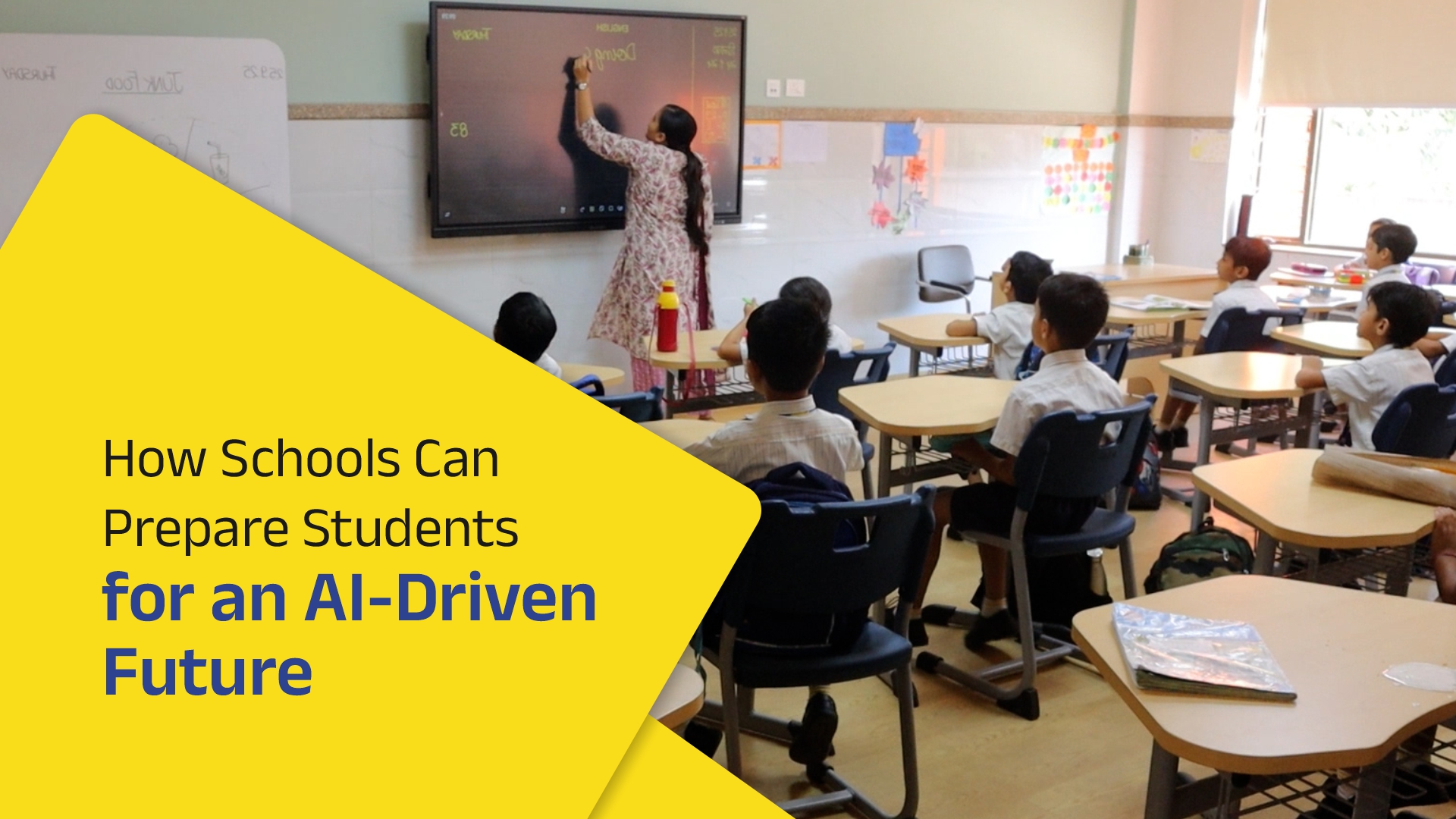
AI in education is uplifting the way students learn. As artificial intelligence becomes more and more relevant in today’s times, it’s the duty of teachers to help students understand how to use the technology.
That said, the role of teachers should not be limited to teaching students how to use AI tools. Instead, it should encompass enlightening students about the knowledge, skills, and expertise that’s needed to use the technology effectively.
The current scenario hints at a future where AI will have a substantial role to play in workplaces. Students may be required to work on AI-powered software or automated systems. That’s the reason why schools should start preparing students for an AI-driven future. Let’s take a look at how schools can make a difference in this scene.
The Importance of AI in Education
If we take a look at it from a positive perspective, AI is a boon for students. By using artificial intelligence in schools, students can better understand topics, research, and practice concepts in a more effective and efficient way.
In fact, AI works wonders for teachers as well. With its help, teachers can organize information and prepare learning resources optimally. And we all know about the use cases of AI in various sectors, so there’s no denying that the technology is not just a passing trend. Indeed, it’s here to stay and shape the future.
Therefore, it’s extremely crucial for students to become well-versed in the technology. But at the same time, students need to understand that they mustn’t be wholly dependent on AI, considering it as a replacement for learning. While AI in education is crucial, students still need to learn to think independently and develop essential life skills.
Early Introduction to AI for Students
Since students do not need advanced technical knowledge to understand AI, schools should start teaching them about the technology at an early stage. They should set the ball rolling by informing students about how artificial intelligence is used in everyday life. Also, they can explain AI to students through age-appropriate concepts.
For instance, at first, teachers can help students understand AI through voice assistants and chatbots. Then, they can explain to students how AI systems learn and use data to generate relevant results. Early exposure to AI in education can boost the confidence of students when it comes to approaching new technologies.
Using Artificial Intelligence Responsibly
It’s a vital responsibility of teachers to help students understand the importance of using artificial intelligence responsibly. While AI-driven education can make learning a whole lot easier for students, they should not use the technology to simply complete their assignments at the expense of their understanding of the concepts.
School should teach students how to use AI in education for brainstorming, conducting research, exploring ideas, and practising concepts. Further, there should be clear guidelines of a school regarding using AI for academic work. Furthermore, teachers should help students understand plagiarism, privacy, and responsible use of information.
Relying on Critical Thinking
While AI can give results within seconds, students should not assume that every result is correct. Teachers must explain to students that AI can sometimes generate inaccurate or incomplete information. Therefore, students must not completely rely on AI when it comes to learning something.
Instead, they should verify the authenticity of AI-generated information through textbooks and trusted websites. This boosts the critical thinking skills of students while teaching them the fact that using AI in education and other contexts requires judgement.
Final Words
AI in education is growing rapidly. It has the ability to enhance students’ understanding of concepts and support effective learning. Now, it’s the responsibility of schools to ensure that their students learn the significance of using AI responsibly. By introducing AI to students in a thoughtful manner, schools can prepare them for an evolving world with confidence and adaptability.
FAQs
- How important is AI in future-ready education?
AI is extremely important in future-ready education, given its growing relevance today and in the future. It’s rapidly changing the way teachers teach and students learn. When used effectively, AI in education can complement teachers and enhance the learning of students.
- Does AI support personalised learning?
Yes, AI works wonders when it comes to understanding students’ responses and providing additional explanations. In this way, this technology in education supports personalised learning, giving students more opportunities to learn at their pace.
- Do students need critical thinking skills when using AI?
Yes, definitely! Students need to understand that AI can sometimes generate inappropriate results. Therefore, they should critically evaluate AI-generated information and verify it using textbooks.
- Why should students learn about using AI responsibly?
Using AI in education responsibly is vital for students’ learning and understanding. They need to learn about privacy and plagiarism and understand the importance of producing original work without becoming overly dependent on the technology.
- How should teachers introduce AI in education?
AI should be introduced to students gradually, through age-appropriate lessons. Teachers should focus on developing students’ critical thinking skills while teaching them how to use AI effectively.